
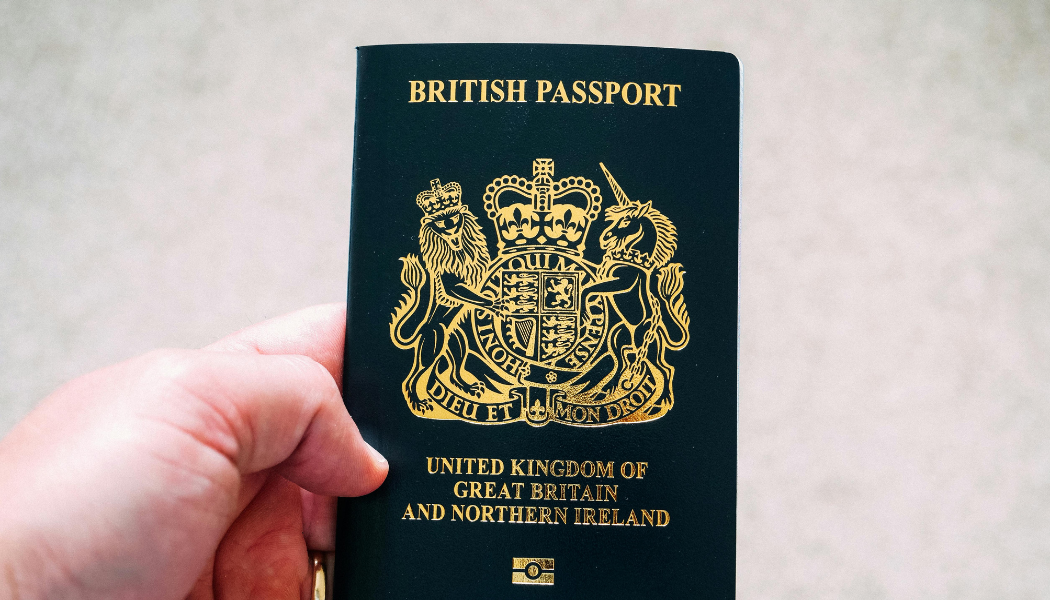
Acquiring British citizenship is often the culmination of years of effort and significant financial investment. For those who have successfully obtained this status, the question “Can British citizenship be revoked?” understandably causes considerable anxiety.
Though revoking citizenship is not a decision that the Home Office makes lightly, there are specific circumstances that can see a person’s British citizenship revoked.
This blog aims to examine when and how British citizenship can be revoked, the legal processes involved, and what protections exist for citizens facing such proceedings.
Understanding British Citizenship
Before exploring revocation circumstances, it’s essential to understand what British citizenship encompasses and why it is so highly valued.
British citizenship is a legal status that confers a range of rights and responsibilities.
These include:
- The freedom to live and work in the UK free of any immigration controls.
- No restrictions on employment or business activities.
- The ability to apply for a UK passport.
- The right to vote in elections.
- The right to stand for office.
- Free NHS medical care.
Can The Home Office Revoke British Citizenship?
Yes, the Home Office does have the legal authority to revoke British citizenship, but this power is exercised within strict legal parameters established by the British Nationality Act 1981 and subsequent legislation.
The Home Office’s authority to revoke citizenship is governed by Section 40 of the British Nationality Act 1981, which has been amended several times to address new security concerns.
Recent British citizenship changes in 2025 have further refined these procedures, particularly around appeal rights and the definition of circumstances warranting revocation.
Circumstances Leading to British Citizenship Revocation
Some of the most common reasons for the revocation of British citizenship include:
Fraudulent Acquisition of Citizenship
One of the primary grounds for revocation is the fraudulent acquisition of citizenship.
Suppose it is discovered that an individual obtained their citizenship through deception, such as providing false information or concealing relevant facts during the application process. In that case, the Home Office has the authority to revoke it.
An example includes cases where individuals have hidden their true identity or have a criminal background that they have not disclosed.
The Home Office conducts thorough background checks, and fraud discovered even years after citizenship is granted can result in revocation proceedings.
Actions Not Conducive to the Public Good
The phrase “not conducive to the public good” appears frequently in immigration law but requires careful interpretation. This ground covers conduct that threatens public safety, national security, or the UK’s interests.
The Home Office considers various factors, including involvement in extremist activities or associations with terrorist organisations.
Criminal Activities
Severe criminal activities, particularly those related to terrorism, can also lead to the revocation of citizenship.
For example, individuals convicted of serious offences, such as acts of terrorism or war crimes, may find their citizenship status under threat. This measure aims to protect the public and maintain national security.
Dual Citizenship Issues
Holding citizenship in another country can complicate one’s British citizenship status.
If an individual holds dual citizenship and their actions are deemed harmful to the UK’s interests, the Home Office may revoke their British citizenship to maintain national security and public order.
The Legal Process: How Revocation Proceedings Work
The Home Office must follow strict procedural requirements:
Initial Assessment and Investigation
The Home Office conducts thorough investigations before initiating revocation proceedings. This process begins with a detailed review of all available evidence, including immigration records, criminal history, and any intelligence reports.
Where national security concerns are involved, the Home Office will consult with relevant security services to ensure all pertinent information is considered.
An important part of this assessment involves determining whether revocation would render the person stateless, as international law prohibits creating statelessness.
The Home Office must also carefully consider proportionality and human rights implications, weighing the severity of the alleged conduct against the impact that losing citizenship would have on the individual and their family.
Formal Notice and Right to Respond
Once the initial assessment is complete, individuals facing revocation will receive formal notice of the Home Office’s intention to revoke their citizenship.
This notice includes details of the allegations and supporting evidence, though some information may be withheld if it involves sensitive security matters that could compromise ongoing investigations or national security.
The individual is given a meaningful opportunity to provide written representations challenging the allegations or providing mitigating circumstances. Response time limits are typically 21 days from receipt of the notice, though these can be extended in exceptional circumstances where additional time is needed.
Decision-Making Process
After receiving any representations, the Home Office must carefully consider all submissions made by the individual before reaching a final decision.
When a decision is made, the Home Office must provide written reasons explaining the basis for revocation, allowing the individual to understand exactly why this step has been taken. Individuals must be informed of their right to appeal the decision.
Implications of Revocation
Losing British citizenship has significant legal and personal consequences.
Legally, individuals may be allowed to remain in the UK; however, depending on the severity of their actions, they could lose their right to reside in the UK and may face deportation.
They may experience a loss of identity and belonging, and in some cases, family members may also face deportation if their family member’s citizenship depends on the citizenship of the individual facing revocation.
The Importance of Legal Guidance
Right to Appeal and Legal Recourse
Individuals facing revocation will always have the right to appeal the decision at the First Tier Tribunal (Immigration & Asylum Chamber) or Special Immigration Appeals Commission (SIAC).
The appeal process involves presenting evidence and arguments to contest the revocation, explaining why the decision may be unlawful or made without merit.
It must be noted that in SIAC appeals, there may be sensitive evidence that is not accessible to the appellant or their legal representative, and a special advocate may be appointed to represent their interests.
Why Seek Legal Advice?
Given the complexity of citizenship laws and the serious implications of revocation, we believe that seeking legal advice is essential.
Immigration solicitors can provide expert guidance, helping individuals understand their legal status and create a strategy for handling their cases that aims to achieve the most favourable outcome possible.
Understanding the circumstances under which British citizenship can be revoked is vital for those who are seeking to acquire it and even for those who are currently citizens.
If you have concerns about your citizenship status, it is advisable to seek legal advice promptly. Tann Law offers expert guidance to help you navigate these complexities and safeguard your citizenship.
Click here to see our immigration appeals services.
Frequently Asked Questions
Can British citizenship be revoked if I was born in the UK?
Yes, even those born in the UK can face revocation. However, the UK government is unable to leave an individual stateless, so this is generally only done when an individual either has, or has the potential to acquire, citizenship in another country.
What happens to my family if my citizenship is revoked?
Family members’ status depends on their individual circumstances. Spouses and children may retain their own legal status, but revocation can affect family visa applications and rights, particularly if their immigration status is tied to your own.
Can I apply for British citizenship again after revocation?
Reapplication is theoretically possible but practically very difficult. The circumstances leading to revocation would need to be fully resolved, and substantial time would likely need to pass.
How long does the revocation process take?
The timeline varies significantly depending on case complexity, appeals, and whether national security is involved. Cases can take anywhere from months to several years.
Protecting Your British Citizenship
It’s important to understand that revocation occurs only in exceptional circumstances and with significant legal safeguards. The Home Office cannot act arbitrarily, and citizens facing revocation have the right to challenge such decisions.
The key to protecting your citizenship lies in understanding your obligations as a British citizen, maintaining accurate records, and seeking legal advice when concerns arise. The benefits of UK citizenship are substantial, but they come with responsibilities that must be taken seriously.
If you’re facing citizenship revocation or need guidance on British citizenship applications, early intervention by experienced immigration specialists can make the difference between retaining and losing your citizenship status.
Don’t wait if you’re facing citizenship revocation.
Contact our immigration team today for confidential advice tailored to your specific circumstances. Your citizenship and your family’s future may depend on taking decisive action.