
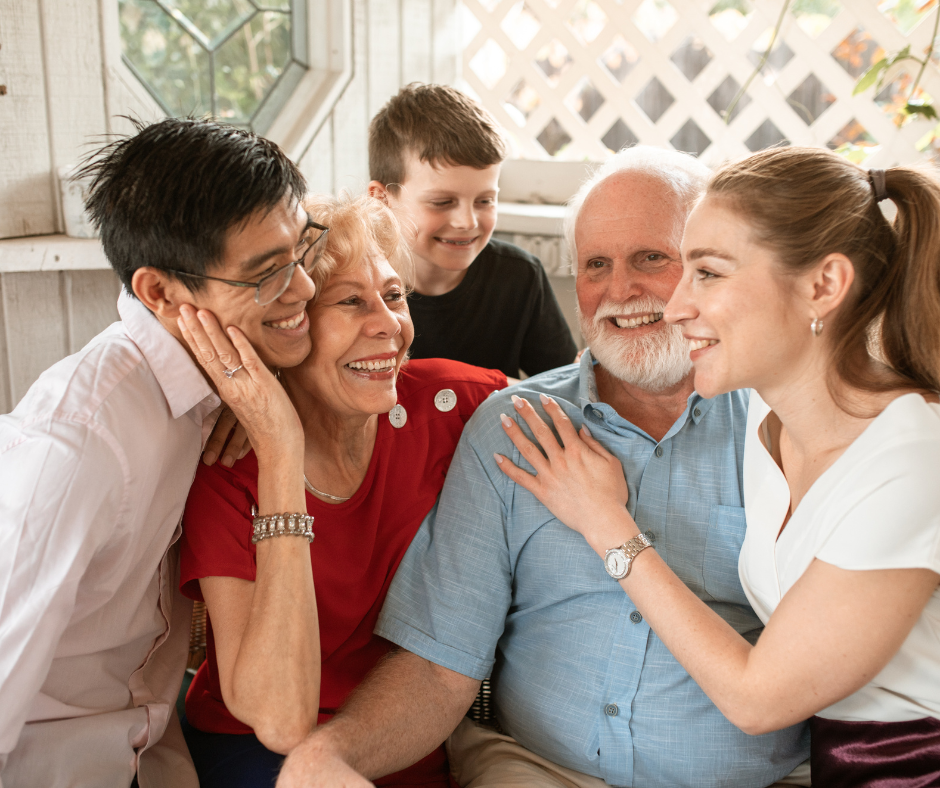
The shape of the modern family has changed, but have your family wills kept up?
In the UK today, wills must account for increasingly complex situations: children from previous relationships, new partners, step-children, and separated spouses. While life moves on, the law on inheritance can be surprisingly rigid and, if you’re not prepared, can leave your loved ones facing confusion and financial hardship when you’re gone.
Dying without a valid will, known as dying ‘intestate‘, means the law decides who inherits your estate. For blended families, these outdated rules can be disastrous, as they fail to recognise the reality of modern family structures.
The current intestacy laws UK were designed for traditional nuclear families and simply don’t account for the reality of today’s relationships.
This guide will walk you through the essential things you need to know to protect everyone you care about and create effective family wills.
The Intestacy Trap: The Separated Spouse vs. The New Partner
One of the most common and dangerous misconceptions is about the legal standing of a separated spouse versus a new partner.
Imagine this: you separated from your spouse years ago but never finalised a divorce. You now live with a new partner, share financial responsibilities, and have built a life together. If you were to pass away without a will, who would inherit under UK intestacy laws?
The law is brutally clear: your separated spouse is still your legal spouse. Your new partner, regardless of how many years you have been together, has no automatic right to inherit anything.
Under current intestacy laws UK for England and Wales:
- Your legal spouse inherits all personal possessions
- They receive the first £322,000 of your estate
- They get half of everything above that threshold
Your partner would get nothing. Their only option would be a costly, stressful, and uncertain court claim.
The Forgotten Heirs: What About Step-Children?
The rules of intestacy are just as unforgiving when it comes to children. The law only automatically recognises biological or legally adopted children.
Step-children have no automatic right to inherit from your estate.
Furthermore, there is a huge risk of “sideways disinheritance.” If you leave everything to your new partner or spouse without the right legal structure, they are free to create their own Will, leaving those assets to their children, potentially cutting your children out completely.
The Solution: Taking Control with a Specialist Will
A professionally drafted will is the only way to ensure your wishes are carried out.
It allows you to override the intestacy rules and create a bespoke plan that protects everyone. Key tools we use for blended families include:
- Life Interest Trusts: This is an elegant solution that allows you to provide for your partner while protecting your children’s inheritance. For example, your partner can be given the right to live in your property for the rest of their life, but upon their death, the property automatically passes to your children. It provides security for your partner and peace of mind for you.
- Discretionary Trusts: For more complex family situations, a discretionary trust offers maximum flexibility. You can appoint trustees to manage a fund for a group of beneficiaries (including your partner, children, and step-children), distributing assets according to their needs over time.
- Appointing Guardians: If you have children under 18, your will is the place to legally appoint guardians to care for them. This is a vital decision that no parent should leave to chance or the courts.
Life’s Major Changes: How Separation and Divorce Affect Your Family’s Wills
Understanding how major life events impact family wills is important for effective family estate planning.
Separation: Legal Status Unchanged
Separation alone changes nothing legally. If your separated spouse is named in your will, they still inherit. If you don’t have a will, intestacy laws still apply, giving them automatic inheritance rights.
Action required: You must actively create new family wills to reflect your changed circumstances.
Divorce: Automatic Changes with Limitations
The grant of a Final Order of Divorce does change your will automatically. UK law treats your ex-spouse as if they had predeceased you, so:
- Any gifts to them fail
- Any appointment as executor is void
- Their share typically goes to your children or other beneficiaries
However, never rely on these automatic changes. Always create new family wills after divorce to ensure your intentions are clear and properly documented.
Don’t Leave Your Family’s Future to Chance
Planning for the future is the greatest gift you can give your loved ones.
The law may not understand your family’s unique structure, but your will can bridge that gap. By taking clear, decisive action, you can prevent conflict and ensure everyone you care about is protected.
Based in Coventry, the expert team at Tann Law Solicitors is here to provide clear, compassionate advice tailored to your unique circumstances.
Our expertise in family estate planning ensures your will works exactly as intended, providing security and certainty for everyone you care about.
Don’t wait until it’s too late. Contact us today to secure your family’s future.
- Call us on: 02477632323
- Email us at: info@tannlaw.co.uk
- Visit our website: www.tannlaw.co.uk